



Moving to a new country can be daunting, especially when managing finances. Banking for newcomers in Canada is crucial for a smooth transition. Understanding the banking system, from opening a bank account to tracking your expenses, is vital for financial success. As a newcomer, you might feel overwhelmed, but with the right guidance, you can navigate your way confidently. Let’s explore how to effectively manage your finances in Canada and set yourself up for financial growth.
Understanding Canadian Banking
Canada’s banking system might seem complex at first, but it is designed to be reliable and transparent. As newcomers, it’s crucial to grasp the essentials of how banks operate in Canada to manage your finances effectively. There are several key components to understand.
Regulated Framework:
The banking system in Canada is heavily regulated to ensure stability and security. The Bank Act, Canada’s primary piece of banking legislation, establishes guidelines for how banks should operate, ensuring that your money is kept safe and accessible.
Diverse Institutions:
Canada boasts a range of banking institutions including domestic banks, foreign bank subsidiaries, and credit unions. Each offers unique products and services tailored to meet various needs. Familiarizing yourself with these choices will help determine which institution aligns with your financial goals.
Centralized Banking Services:
Most Canadian banks provide a full suite of services including checking and saving accounts, mortgages, and investment options. This one-stop-shop approach helps streamline your financial tasks, making management more convenient.
For newcomers, it is vital to understand Canadian banking fees which can vary across different accounts and services. Being aware of these fees can help you budget effectively.
Branch and Online Services:
The convenience of online banking is complemented by physical branches throughout provinces and territories. This accessibility ensures that you can handle transactions in a manner that suits your lifestyle, whether through digital platforms or in-person meetings.
Financial Products:
In addition to basic accounts, Canadian banks offer credit cards, loans, and investment opportunities. Understanding the terms and benefits associated with these products is integral for financial growth and planning in your new home.
Choosing the Right Bank Account
Choosing the right bank account in Canada can greatly impact your financial journey as a newcomer. As you explore different options, consider what each bank offers regarding fees, accessibility, and additional features. Monthly fees are a primary consideration. Many Canadian banks provide low-cost or even free accounts for newcomers or students, which can be beneficial as you settle in.
Another factor to consider is ATM accessibility. Look for a bank that has a wide network of ATMs to avoid withdrawal fees. Additionally, many banks offer mobile banking apps, giving you the convenience of managing your accounts from anywhere.
Interest rates on savings accounts vary, so it’s wise to compare them. Higher interest rates can help your savings grow faster. Also, examine the different types of accounts, such as checking and savings, to suit your transaction needs.
Many banks also provide newcomer packages offering perks like free wire transfers or credit card facilities. These offers can simplify your financial management in Canada.
Finally, consider the level of customer service available. Reliable support can aid in solving potential issues swiftly, ensuring a smoother banking experience as you navigate your new life in Canada.
Managing Finances as a Newcomer
Adjusting to a new country often means navigating a novel financial landscape. For newcomers in Canada, understanding how to effectively manage finances is crucial. Learning about Canadian banking systems and services can significantly aid in this transition. Newcomers should familiarize themselves with key financial institutions and the types of accounts available. Setting up essential accounts is a first step, ensuring you have the necessary tools to handle day-to-day transactions.
It’s important to track your expenses by creating a budget. This involves setting aside funds for rent, groceries, transportation, and other necessities. Many Canadian banks offer online and mobile banking services, making it easier to monitor expenditures and make adjustments as needed. Consider using these digital tools to keep an eye on your financial health.
Additionally, explore options for building credit in Canada. Having a good credit score can help in securing loans or renting a house. Start by applying for a credit card with a low limit and ensure timely payments. This is an effective way to establish a positive credit history.
Saving for the future is equally important. Research different savings accounts or investment options offered by banks. Whether it’s building an emergency fund or saving for your children’s education, setting financial goals can provide stability and ensure long-term success. Utilize resources like community centers or financial advisors specifically catering to newcomers, as they can provide invaluable guidance tailored to your unique situation.

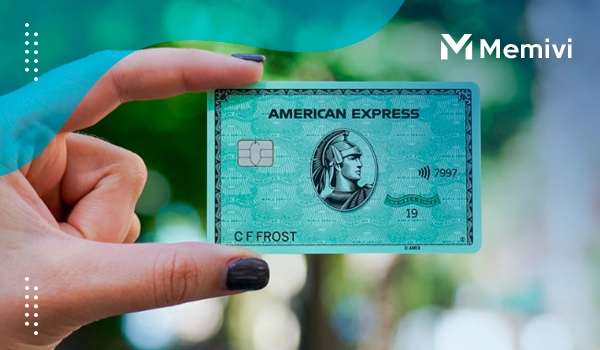 American Express Green Card — La carte qui transforme chaque dépense en expérience enrichissante <p class='sec-title' style='line-height: normal; font-weight: normal;font-size: 16px !important; text-align: left;margin-top: 8px;margin-bottom: 0px !important;'> Une carte emblématique pensée pour les Canadiens qui veulent voyager plus, profiter davantage et faire travailler chaque dollar </p>
  Inflation Canada 2026: What to Expect and Prepare For
  Canada Entrepreneurs Incentive: Unlock Business Opportunities