


The world of gold prices in Canada is full of dynamic changes driven by global and local factors. Keeping up with these shifts helps investors make informed decisions and seize opportunities. Initially, let’s delve into the current pricing landscape to understand what sets the stage for these important trends.
Understanding Current Gold Pricing
Gold prices can fluctuate due to a myriad of factors, and understanding these dynamics is crucial for investors and enthusiasts. In the context of Canada, gold prices are primarily influenced by global economic conditions, currency fluctuations, and domestic demand. The Canadian dollar often plays a significant role in how gold is valued locally compared to international markets.
Commodities like gold are typically traded in US dollars, so any changes in the exchange rate with the Canadian dollar can directly affect gold pricing in Canada. When the Canadian dollar is weak against the USD, gold prices in Canada may appear higher. Conversely, a strong Canadian dollar might lead to relatively lower gold prices domestically.
Another important aspect is the impact of interest rates set by the Bank of Canada. Low interest rates tend to favor gold investment since bonds and other interest-bearing assets become less attractive, driving up demand and pricing for gold. Inflation also plays a role; as inflation rises, investors often turn to gold as a hedge, influencing pricing trends.
Global Demand
Demand from emerging economies like China and India can also have a significant impact on gold prices. As these nations accumulate wealth, their citizens tend to increase their gold purchases, impacting global pricing and subsequently the market in Canada. Gold is often seen as a safe haven in uncertain economic times, contributing to price volatility when geopolitical tensions rise.
For a Canadian investor, staying informed about these dynamics and periodically assessing the gold market trends is essential for making sound investment decisions.
Factors Influencing Gold Prices
The price of gold in Canada, like anywhere else, is influenced by a myriad of factors that work together to create current trend dynamics. Understanding these factors is crucial for investors and market analysts. Economic Indicators play a significant role, with indicators like inflation rates, interest rates, and currency values directly impacting the gold market. When inflation is high, or when currency values are unpredictable, gold prices tend to rise as investors seek a stable store of wealth.
Global Market Dynamics cannot be ignored, as Canada is both a global player in the gold production industry and part of the worldwide economic system. The demand and supply balance on a global scale affects Canadian gold prices, with events in major economies like the United States, China, and the European Union creating a ripple effect. Geopolitical Tensions also contribute significantly. During times of international conflict or political unrest, gold is often seen as a safe-haven asset.
The value of the Canadian Dollar versus other currencies, especially the US Dollar, can have a profound impact on how gold prices are perceived domestically. A weaker Canadian dollar may make gold more expensive within Canada, even if global prices remain stable. Market Speculation and trends set by investors looking for short-term returns can cause fluctuations, albeit these are often temporary and corrected by fundamentals.
Overall, comprehensive knowledge of these influences is essential for predicting trends and making informed investment decisions in the Canadian gold market. Each of these factors reflects the complex nature of gold pricing, weaving together global and local elements into a single financial picture.
Investment Strategies for Canadian Gold
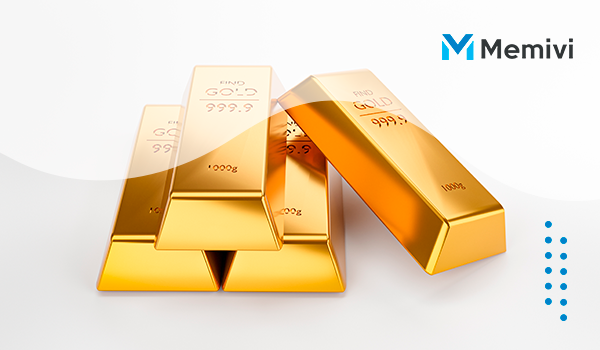
Investing in Canadian gold can offer a valuable diversification strategy for your portfolio. Canada, as a major gold-producing country, provides numerous avenues for investment. One of the primary strategies is buying physical gold in the form of coins or bars. This tangible asset can be a hedge against inflation and currency depreciation.
Gold Exchange-Traded Funds (ETFs)
provide an alternative for those who prefer less hassle than handling physical gold. Canadian ETFs track the price of gold and are traded like stocks, offering liquidity and ease of management.
If you are considering long-term growth, investing in gold mining stocks could be beneficial. Canadian mining companies are known for their stability and potential growth, giving investors a chance to capitalize on the operational success of these firms.
Another strategy involves gold futures and options contracts. These are more complex financial instruments that require a good understanding of the market, allowing for speculation on the future price movements of gold.
Lastly, a diversified approach involving a combination of gold ETFs, mining stocks, and physical gold can mitigate risks and capture growth in various market conditions. Understanding these options allows for crafting a comprehensive investment plan tailored to individual financial goals and risk tolerance.

 American Express Green Card — La carte qui transforme chaque dépense en expérience enrichissante <p class='sec-title' style='line-height: normal; font-weight: normal;font-size: 16px !important; text-align: left;margin-top: 8px;margin-bottom: 0px !important;'> Une carte emblématique pensée pour les Canadiens qui veulent voyager plus, profiter davantage et faire travailler chaque dollar </p>
  Inflation Canada 2026: What to Expect and Prepare For
  Canada Entrepreneurs Incentive: Unlock Business Opportunities