



The year 2026 has already brought significant changes to crypto laws in Canada. If you’re involved in the crypto space, it’s crucial to stay updated with the impending regulations. This will ensure that you remain compliant and avoid potential pitfalls. Understanding the evolution of these laws can provide insights into how they affect you and your investments. By considering the upcoming changes, Canadians can strategically adapt to the new crypto landscape. Dive into how the legal framework is transforming and prepare effectively for the future of digital currencies in the country.
The Evolution of Crypto Regulations in Canada
Canada has witnessed a significant transformation in its approach to crypto regulations over the past decades. This evolution reflects the growing importance of digital currencies and the necessity to safeguard consumers while promoting innovation. Initially, Canadian regulators were mainly concerned with understanding how cryptocurrencies fit into the existing financial and legal systems. As the popularity of crypto grew, so did the need for robust frameworks.
In early phases, the primary focus was on implementing anti-money laundering (AML) and know your customer (KYC) policies. These measures aimed to ensure that crypto transactions were transparent and traceable. Over time, Canadian authorities recognized the need to provide more specific guidelines, especially as the use of cryptocurrencies expanded beyond Bitcoin.
With the rapid advancements in technology and the increasing adoption of blockchain solutions, Canadian regulatory bodies have engaged in continuous dialogue with industry stakeholders. This collaboration focuses on developing clear and comprehensive guidelines that align with international standards, promoting a secure environment for trading and investment.
Starting this year, there is an even greater focus on consumer protection and market integrity. Canadian regulators are actively monitoring the market to address new challenges and opportunities, ensuring that the ecosystem remains sustainable and trustworthy. This proactive approach also encompasses cross-border cooperation with other countries, sharing best practices, and learning from global experiences.
Key Changes in 2026: What’s Happening Now
The landscape of crypto laws in Canada is currently undergoing major transformations. Several new regulations are being implemented, directly affecting how individuals and businesses interact with cryptocurrencies.
First, there will be a focus on anti-money laundering (AML) regulations. This means more stringent checks and procedures for crypto transactions, aiming to prevent illicit activities.
Moreover, Canadian authorities are introducing more comprehensive tax reporting requirements. Crypto holders will need to account for their digital currency transactions in a detailed manner, ensuring transparency and compliance.
There will also be adjustments in the way crypto exchanges operate. They are expected to adhere to new licensing standards, which aim to protect consumers and enhance the security of the platforms.
Finally, consumer protection is a priority, with regulations aiming to provide clear guidelines and support for crypto investors. This involves educational resources and mechanisms to manage risks effectively.
How Canadians Can Prepare for New Crypto Laws
To comply with the new crypto regulations in Canada in 2026, it’s essential for Canadians to stay informed and proactive. Review Your Holdings: Begin by auditing your current crypto assets. Ensure that your transactions are documented and easily accessible, as new laws might require detailed reporting. Understand Tax Implications: Consult a tax professional to grasp the potential changes in cryptocurrency taxation. Depending on the new laws, there might be shifts in how crypto assets are taxed, hence it’s wise to prepare for possible adjustments in your tax filings.
Enhance Security Measures: Strengthen the security of your crypto wallets. Use a combination of hardware and software wallets to minimize the risk of unauthorized access. Regulatory changes could prioritize security protocols, so being ahead of such requirements will be beneficial. Stay Informed About Exchanges: It’s vital to ensure that the crypto exchanges you use comply with anticipated regulations. Choosing regulated exchanges will not only secure your investments but also safeguard against potential legal issues.
Engage With the Community: Join forums and discussion groups focused on Canadian cryptocurrency regulations. This will help you stay updated on any legislative developments and share insights with other crypto enthusiasts. By connecting with the community, you can better navigate the evolving landscape.
Ensuring you’re well-prepared involves adapting to policy changes and maintaining compliance. Being proactive about these preparations will place you ahead of the regulatory curve.

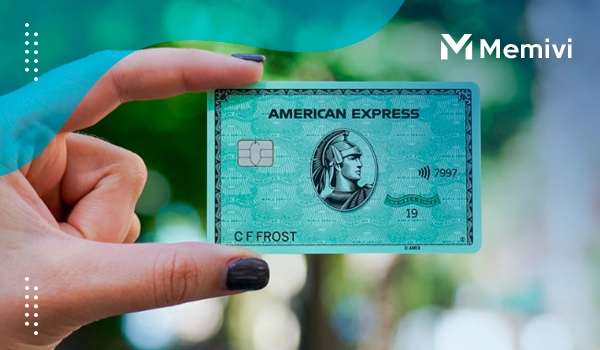 American Express Green Card — La carte qui transforme chaque dépense en expérience enrichissante <p class='sec-title' style='line-height: normal; font-weight: normal;font-size: 16px !important; text-align: left;margin-top: 8px;margin-bottom: 0px !important;'> Une carte emblématique pensée pour les Canadiens qui veulent voyager plus, profiter davantage et faire travailler chaque dollar </p>
  Inflation Canada 2026: What to Expect and Prepare For
  Canada Entrepreneurs Incentive: Unlock Business Opportunities