


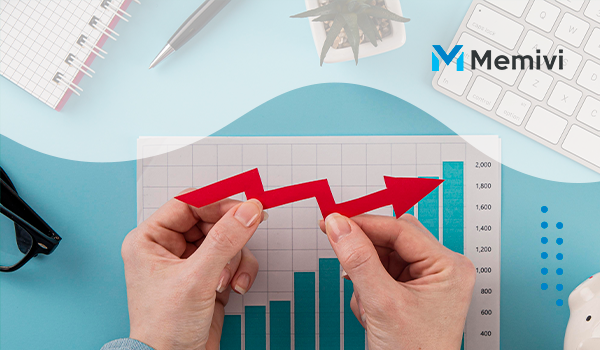
As we look towards Inflation Canada 2026, understanding its potential impact is crucial. Many are concerned about how rising costs could affect their daily lives and the broader economy. This post explores the current economic landscape, makes predictions for the future, and discusses strategies to mitigate financial impacts. Stay informed so you can navigate these changes effectively.
The Current Economic Landscape
Canada’s economic environment in 2026 is shaped by various global and national forces, which require close examination to grasp their impact on inflation. The performance of economies worldwide, especially those of major trading partners, remains an important factor in determining Canada’s economic status. Global trade dynamics and currency fluctuations play critical roles, affecting import and export prices.
Additionally, domestic factors such as employment rates, policies, and interest rates significantly influence the economy. The monetary policy set by the central bank, including interest rate adjustments, is a crucial tool for controlling inflation while promoting sustainable growth. Energy prices and technological advancements also continue to alter the economic landscape. These elements greatly impact the supply chain, influencing the cost of goods and services.
The Canadian government uses fiscal policy measures, including taxation and public spending, to manage economic growth. Fiscal policy adjustments in response to economic conditions aim to promote stability and mitigate inflationary pressures.
Consumer spending patterns and savings rates
are vital indicators of economic health, reflecting household sentiments and confidence in the economy.
The landscape is continuously evolving, with technological innovation driving changes in various sectors. Technological advancements contribute to improved productivity but can also lead to disruptions in some industries. Therefore, understanding these dynamics is essential for predicting inflation trends and preparing for future financial decisions.
Predictions and Trends for 2026
Anticipated Inflation Rates
The inflation rate in Canada by 2026 is a major focal point for economists and policymakers. Analysts predict a potential rise due to global market fluctuations, increased consumer demand, and possible changes in government monetary policies. While forecasts show variance, a moderate to high inflation rate is considered likely.
Global Influences
Global economic conditions will undeniably impact Canada’s inflation trends. With interconnected economies, any economic headwinds faced by major trading partners could ripple through Canadian markets. Notably, changes in US economic policy or an EU financial shift could affect supply chains and pricing structures, influencing inflation.
Technological Advancements
The rapid pace of technological innovation can also play a crucial role in inflation trends. Automation and digitalization may lead to shifts in the job market, affecting wages and consumer spending power. These changes could influence inflation rates positively or negatively depending on the adaptability of industries.
Sector-Specific Trends
Different sectors are anticipated to experience varied trends. The housing market, a significant contributor to inflation, might witness fluctuating prices influenced by changes in interest rates and housing demand. Similarly, the energy sector could see price shifts due to green energy policies and fluctuation in oil prices, impacting the overall inflation picture.
Supply Chain Resilience
Strengthening supply chain resilience is a priority to manage inflationary pressures. Disruptions similar to those experienced in recent years highlight the need for robust supply chain strategies to minimize inflation impacts on goods and services.
Understanding these trends and predictions for 2026 will be crucial for businesses and individuals to make informed financial decisions. Keeping abreast of these developments will provide valuable insights into potential economic shifts.
Strategies to Mitigate Financial Impact
Addressing the financial impact of inflation demands proactive strategies. It’s crucial to first analyze your current financial health. Start by creating a detailed budget, tracking all expenses and income streams. This provides a clear view of where cuts can be made if necessary.
Consider adopting a diversified investment strategy. Investing in a mix of assets, such as equities, bonds, and real estate, can help manage risks linked with inflationary pressures. This diversification helps protect against market volatility.
Increasing your emergency fund is another key aspect. An adequate safety net ensures that unexpected expenses during inflationary times don’t derail your financial plans. Aim for at least six months’ worth of expenses saved up.
Reducing debt is also significant. Prioritize paying off high-interest debts to alleviate financial load and free up cash flow for other uses. This can significantly lessen financial strain.
Smart Purchasing Decisions
Adopting smart purchasing habits can mitigate inflation’s impact. Compare prices, seek discounts, and buy in bulk where practical, especially for essential goods. This approach can lead to substantial savings over time.
Increasing Income Streams
Increasing your income can be an effective strategy. Consider part-time work, freelancing, or investing in skills that could lead to career advancement. Diversified income sources provide more financial stability.
By implementing these strategies, you can navigate the financial challenges of inflation more effectively.

 American Express Green Card — La carte qui transforme chaque dépense en expérience enrichissante <p class='sec-title' style='line-height: normal; font-weight: normal;font-size: 16px !important; text-align: left;margin-top: 8px;margin-bottom: 0px !important;'> Une carte emblématique pensée pour les Canadiens qui veulent voyager plus, profiter davantage et faire travailler chaque dollar </p>
  Canada Entrepreneurs Incentive: Unlock Business Opportunities
  CPP Increase 2026: What You Need to Know